

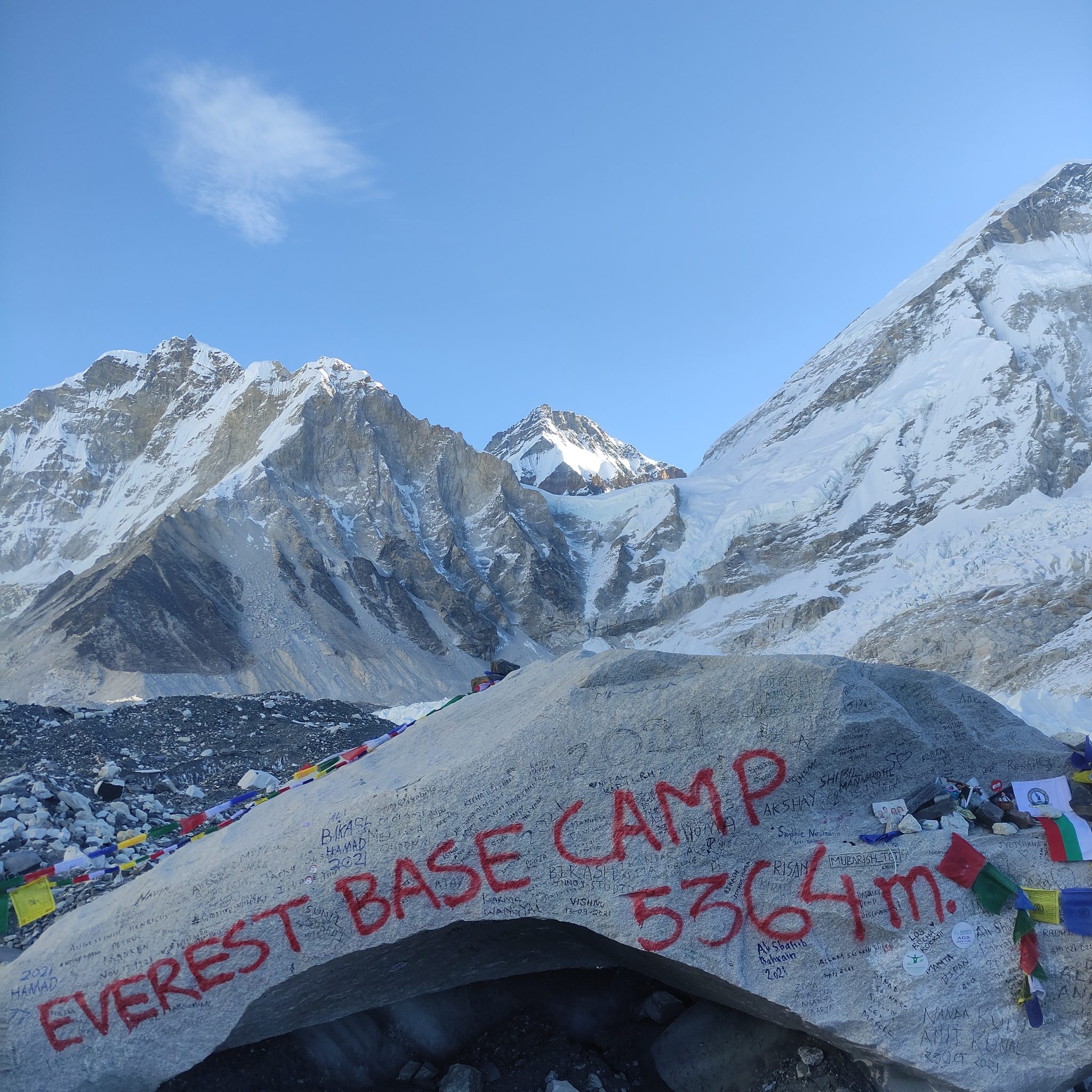

An Everest base camp tour is more than just a tour, as it takes you deep into the Himalayas, characterized by lofty mountain huts, buddhists monastery, sherpa villages and beautiful mountains. Every year thousands of explorers and trekkers from the globe travel to Nepal to stand at the foot of mount Everest.
While climbing mount Everest requires years of training and mountaineering experience, Everest base camp tour does not require such training and expertise. Travellers only need to have average physical form to do the trek. It is possible to walk through the well known trekking routes in the area of Khumbu and see the delightful and beautiful mountains and town where sherpa live.
From the thrilling flight to Lukla to the unforgettable sunrise over Everest from Kala Patthar, every day on an Everest base camp offers something extraordinary.
If you are planning to trek Everest base camp, this comprehensive guide will help you prepare for an unforgettable experience.
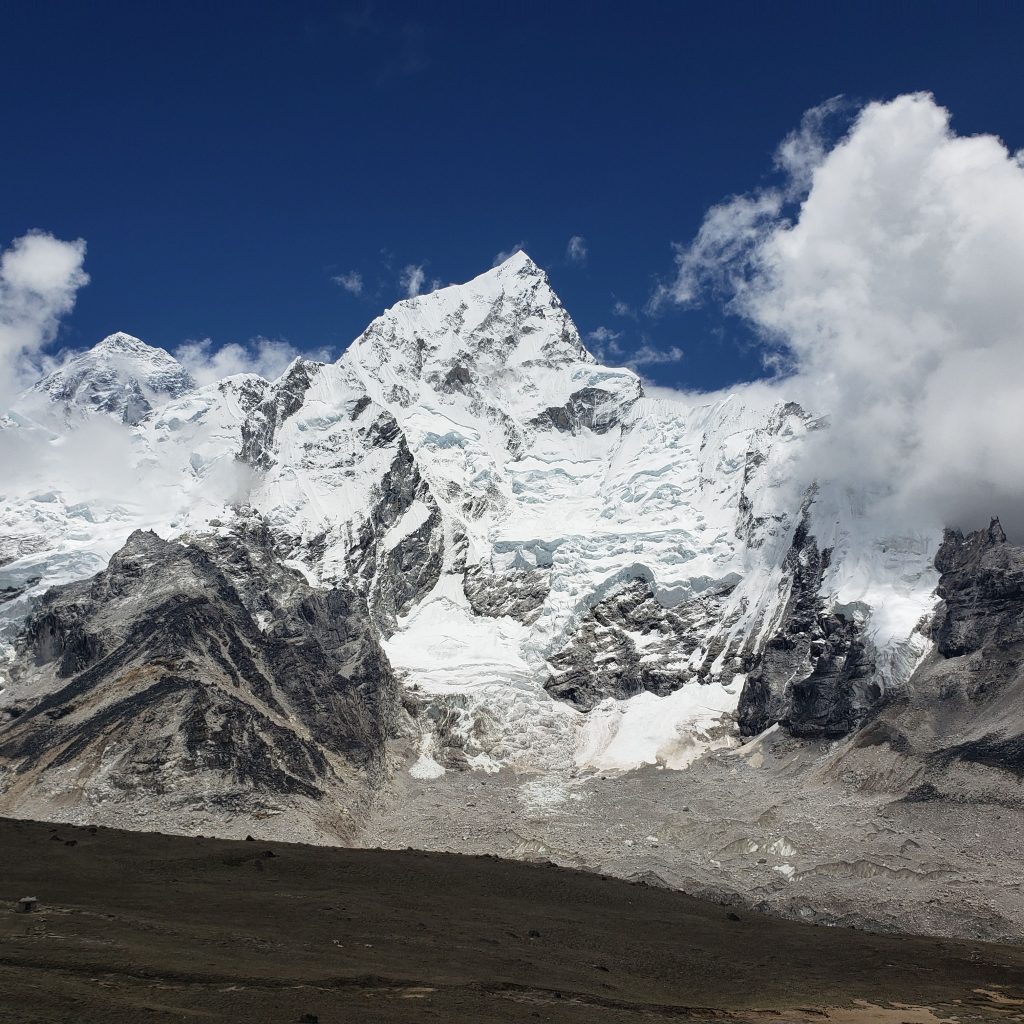
Table of Contents
ToggleAn Everest Base Camp Tour
Going on an Everest Base Camp Tour is one of the greatest experiences in life because it brings the adventure of a lifetime, with breathtaking scenery, cultural experiences, activities that bring about accomplishment, and memories that will last forever.
The Everest region is unlike most trekking locations because it combines nature and culture in a unique way. You will see prayer flags with their bright colors hanging up high, ancient monasteries located at the mountain top, bridges that cross through deep gorges, and Sherpa villages that have welcomed climbers and trekkers for centuries.
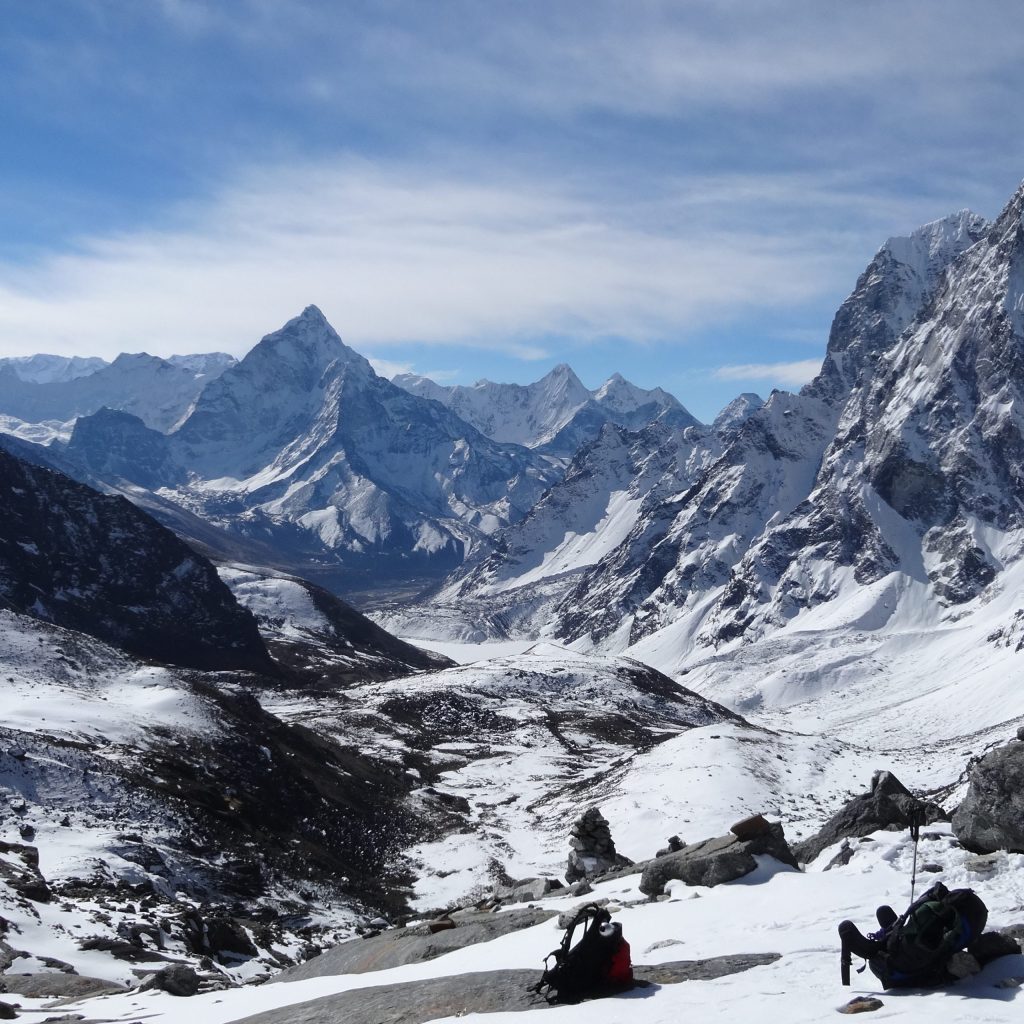
Every step along the Everest Base Camp Tour shows a different landscape; as you discover pine forests that change to alpine meadows, rocky valleys turn into glaciers and high mountains.
In the eyes of many, reaching the Base Camp is not just about being a tourist but achieving a personal milestone that tests your limits and makes you appreciate the beauty of nature in a way you have never imagined.
It is a great experience for any traveler to undertake an Everest Base Camp tour. This famous journey passes through the Khumbu region where you will be able to see the Sherpas at work, visit gorgeous monastery, and finally see Mount Everest itself.
Top Highlights of an Everest Base Camp Tour
An Everest Base Camp Tour offers countless unforgettable experiences, including:
- Standing at the world-renowned Everest Base Camp (5364 m).
- Admiring the beauty of Mount Everest in the morning from Kala Patthar.
- Flying experience to the famous Lukla airport.
- Visit to the unique Tengboche monastery.
- Checking out the Lively sherpa town of Namche.
- Walking through Sagarmatha National Park and its natural wonders.
- Crossing thrilling bridges above Dudh Koshi river.
- Viewing glaciers, icefalls, and Himalayan valleys.
- Meeting local sherpa families and learning about Buddhist tradition.
- Photographing some of the world’s most spectacular mountain landscapes.
Each of these highlights contributes to making the Everest Base Camp Tour one of the most iconic trekking experiences on Earth.
Everest Base Camp Tour Itinerary: Day-by-Day Breakdown
Below is the complete day-by-day plan for Everest Base Camp tour, covering flights, trekking hours, elevation gains, and key highlights along the way.
Day 1: Kathmandu → Lukla (2,860m) → Phakding (2,610m)
The start of your Everest Base Camp tour involves flying early from Kathmandu to Lukla, which is situated at an elevation of 2,860 meters. You then hike for approximately 3 to 4 hours all the way down to Phakding, which has an elevation of 2,610 meters. The purpose of this first day of trekking is to offer your body some time to get used to the initial trekking experience until the start of the real expedition.
Day 2: Phakding → Namche Bazaar (3,440m)
Day two of the Everest Base Camp tour involves trekking for about 5 to 6 hours before crossing many suspension bridges across the Dudh Kosi river, then climbing steeply uphill to Namche Bazaar, which is at an altitude of 3,440 meters. With a reputation for being the capital of Sherpas, Namche is regarded as the central place for all activities of every Everest Base Camp tour.
Day 3: Acclimatization in Namche
Properly planned Everest Base Camp tour includes acclimatization day. The first acclimatization day is spent at Namche, where trekkers remain active even during rest time by going for hikes to either Everest View Hotel or Khumjung village.
Day 4: Namche → Tengboche (3,860m)
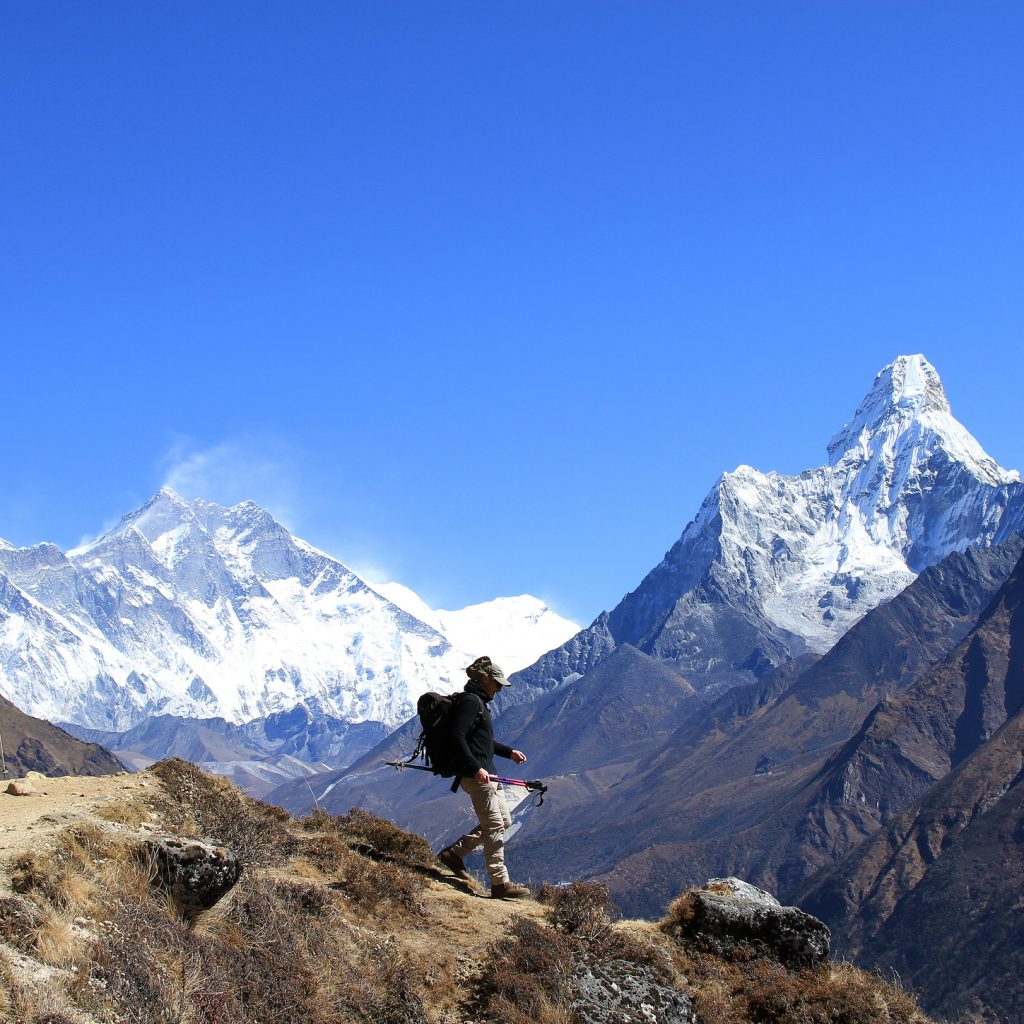
You will hike for 5 to 6 hours to arrive at Tengboche at a height of 3860 meters. Within here lies the most popular of all monasteries in Khumbu, the Tengboche Monastery, which gives you mesmerizing views of Ama Dablam.
Day 5: Tengboche → Dingboche (4,410m)
From here you will have a 5 to 6 hour trek through rhododendron bushes which will lead you to Dingboche at an elevation of 4410 meters. The landscape will change dramatically, signifying the fact that your Everest Base Camp tour is moving into higher altitudes.
Day 6: Acclimatization in Dingboche
There will be another acclimatization day in Dingboche where you may go for an optional excursion to Nagarjuna hill which is located at 5100 meters high. This is very important as it will allow you to acclimatize before heading to even higher altitudes.
Day 7: Dingboche → Lobuche (4,910m)
On the seventh day of the Everest Base Camp tour, you will take 5 hours to arrive at Lobuche with an altitude of 4910 meters. Along the way, you will come across the memorial honoring climbers who lost their lives while climbing Everest.
Day 8: Lobuche → Gorak Shep (5,164m) → EBC (5,364m) → back to Gorak Shep
This is the most important day in completing the Everest Base Camp tour in the entire trip. Today you will cover a distance of about 10 kilometers which takes about 7 to 8 hours of trekking.
The trek starts from Lobuche at 4,910 meters and ends at Gorak Shep at 5,164 meters after scaling the trip at Everest Base Camp located at an altitude of 5,364 meters after scaling. Therefore, being at the Base Camp of Mount Everest is an emotional moment for the entire expedition.
Day 9: Gorak Shep → Kala Patthar (5,545m) sunrise → Pheriche (4,240m)
The real beauty of the trek can be enjoyed on this day. An early morning trek up to Kala Patthar provides the best panoramic view of Mount Everest and also helps in reaching back to Gorak Shep.
Day 10: Pheriche → Namche Bazaar
A 6-to-7-hour descent brings you back to Namche Bazaar. After days spent gaining altitude, this stage of the Everest Base Camp tour feels noticeably easier, though the distance and terrain still demand steady pacing.
Day 11: Namche → Lukla
On the last trekking day of the Everest Base Camp tour, you will take a 6-to-7-hour journey back to Lukla where you came from. It’s an excellent opportunity to remember how much you have seen and how far you have trekked.
Day 12: Lukla → Kathmandu
The journey of Everest Base Camp ends with a flight back to Kathmandu. Since flights from Lukla depend greatly on the weather, it is always safe to leave a buffer day at the end of your Everest Base Camp tour to deal with any delays.
Best Time for an Everest Base Camp Tour
Choosing the right season is one of the most important decisions when planning your Everest Base Camp Tour. Weather conditions influence visibility, trail conditions, temperatures, and overall trekking experience.
Everest Base Camp Tour in Spring (March–May)
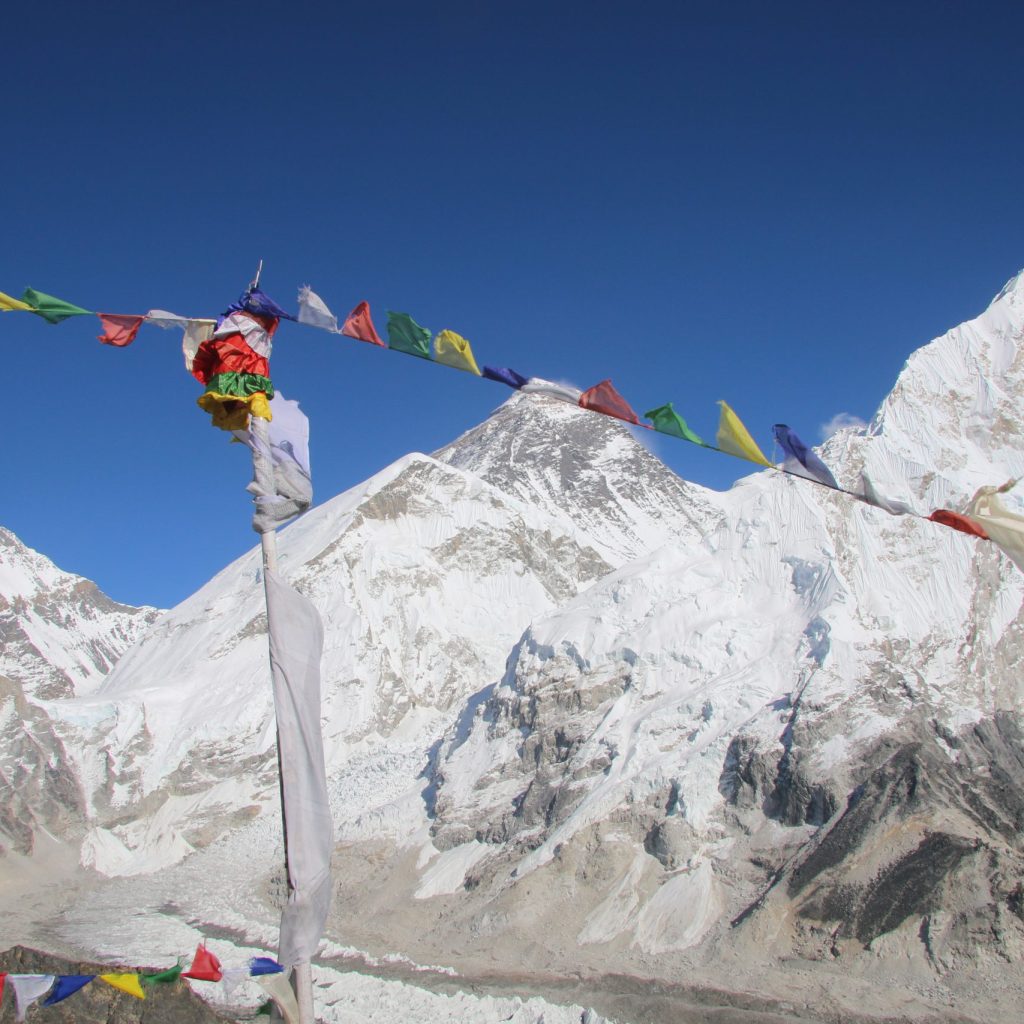
Spring is the best season for an Everest Base Camp Tour. Days are generally mild, skies are often clear, and rhododendron forests bloom with vibrant colors. This is also the busiest climbing season, allowing trekkers to witness Everest expeditions.
Advantages
- Excellent mountain visibility
- Comfortable daytime temperatures
- Colorful flowering forests
- Active climbing season
- Stable weather
Best for: First-time trekkers, photographers, and nature lovers.
Everest Base Camp Tour in Autumn (September–November)
Autumn is another excellent time for an Everest Base Camp Tour. After the monsoon season, the air is fresh and visibility is better. The weather is generally stable, making it ideal for trekking.
Advantages
- Clear mountain views
- Pleasant temperatures
- Low chance of rainfall
- Excellent trekking conditions
Best for: Families, groups, and photographers.
Everest Base Camp Tour in Winter (December–February)
Winter transforms the Everest region into a peaceful wonderland. Snow covered landscapes create spectacular scenery, and the trails are much quieter. However, temperatures can drop well below freezing at higher elevations, making proper preparation essential.
Advantages
- Fewer crowds
- Stunning snowy landscapes
- Peaceful trekking experience
Challenges
- Colder nights
- Occasional snowfall
- Some tea houses may operate with limited services
Everest Base Camp Tour During the Monsoon (June–August)
The monsoon season brings frequent rainfall to lower elevations, making trails muddy and increasing the flight delays to Lukla. Despite these challenges, the region becomes lush and green, offering a different perspective of the Himalayas.
This season is generally recommended for experienced trekkers who don’t mind variable weather conditions.
Everest Base Camp Tour Checklist
Required Permits
Everest Base Camp tour requires two mandatory permits
1. Sagarmatha National Park Entry Permit
2. Khumbu Pasang Lhamu Rural Municipality Entry Permit
Adventure Series Nepal will cover the permitting fees, and all other planning related to these permits. Therefore, as a traveler in Nepal, you don’t have to worry about organizing or being responsible for those expenses yourself.
Clothes
Inner Layer
-Long Sleeves Thermal Tops
-Thermal Pants
-Thermal shocks
-Thermal Underwear
Mid layer
-Insulated Vest
-Down Jacket
-Trekking Pants
-Hiking Shorts
Outer layer
-Waterproof Jacket
-Waterproof Pants
-Windproof jacket/pants
Accessories
-Waterproof Gloves
-Sunglasses
-Buff
-Sun Hat or Cap
-Woolen hat
Fitness
Doing some training in advance for your Everest Base Camp tour is crucial. The higher your cardiovascular levels are, the better prepared you will be to deal with the many hours of trekking that you have ahead when you make the trek up to Everest Base Camp.
Final Thoughts
The 12-day Everest Base Camp tour provides you with a great mixture of thrill, culture, and safety through gradual acclimatization. You will pass through different beautiful Sherpa villages, forests,suspension bridges,and mountains,etc and enjoy watching the sunrise from Kala Patthar. Every stage of this Everest Base Camp tour builds toward that unforgettable moment of the world’s highest mountain.
If you’re ready to take on the challenge, start planning your Everest Base Camp tour today.
0 Comment